 delishing
How to Make Versatile Cheese Sauce on the Stove: 12 Flavor Variations

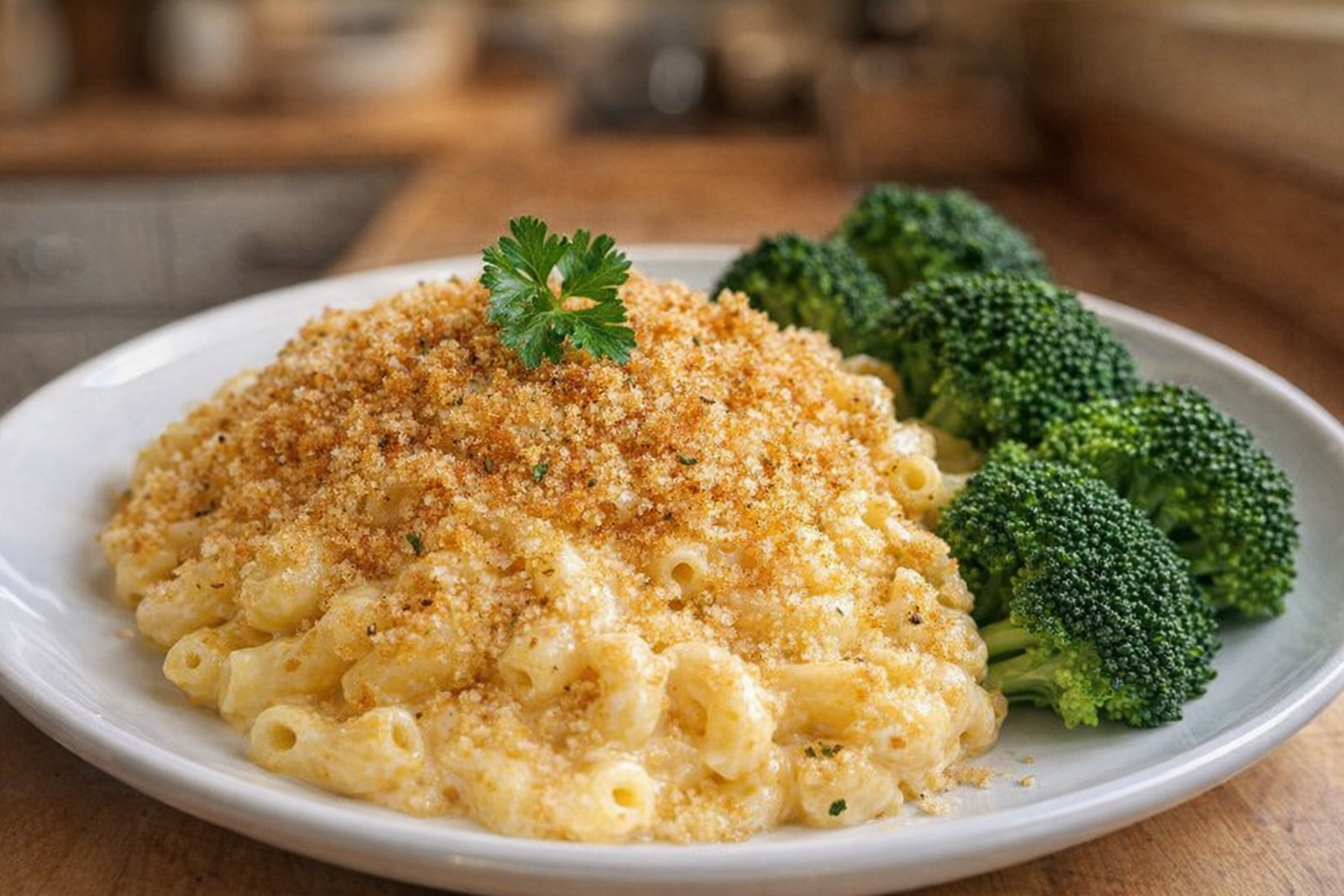
Cheese sauce, in its simplest form, is an emulsion of dairy and cheese that transforms ordinary dishes into something truly special. It adds richness, depth, and that undeniably comforting flavor that only melted cheese can provide. Mastering the art of cheese sauce unlocks a world of culinary possibilities.
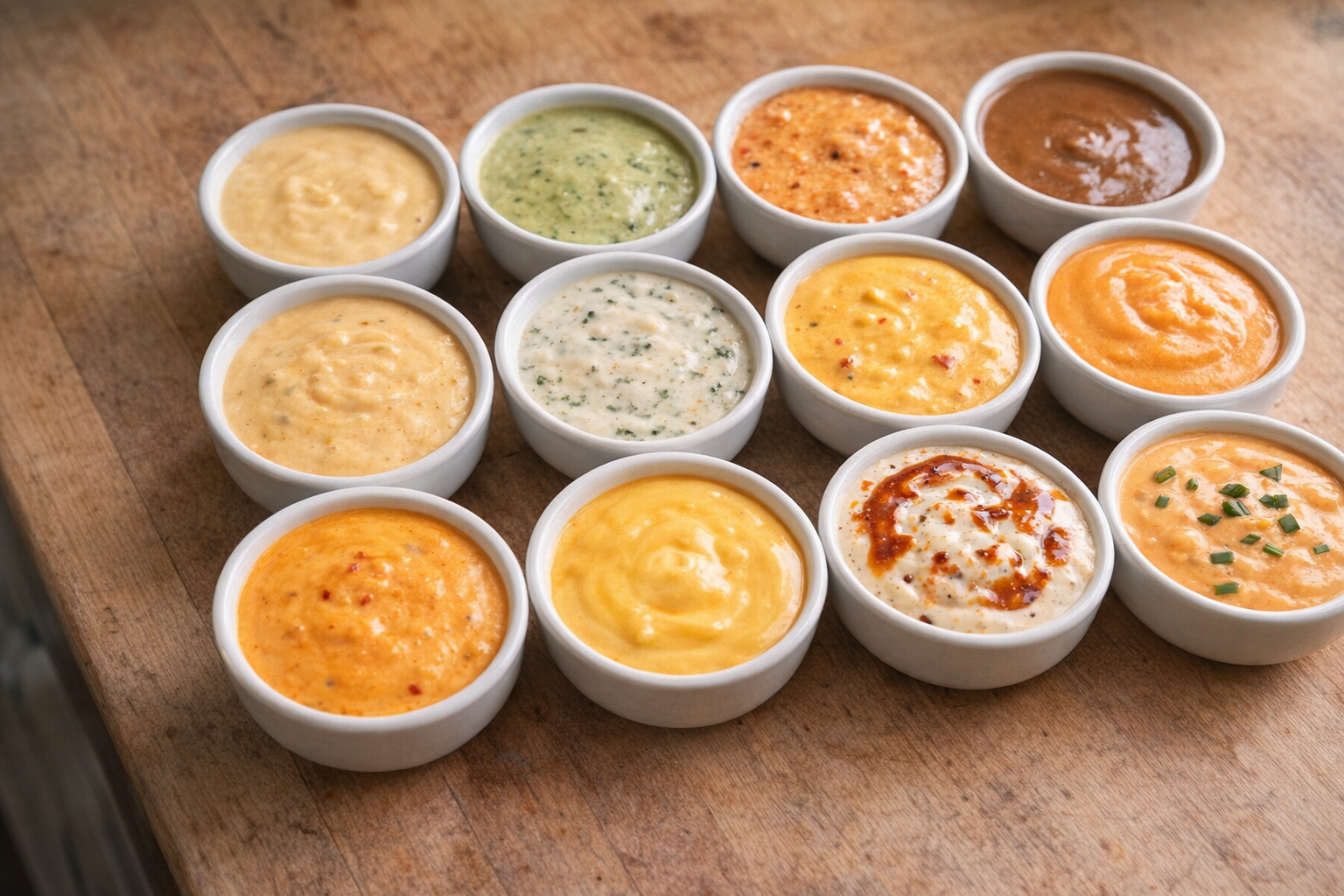
This guide explores not just one, but twelve different cheese sauce variations, allowing you to customize the flavor profile to perfectly complement your meal. We'll delve into the techniques required to create smooth, lump-free sauces, exploring the nuances of different cheeses and flavorings along the way.
Understanding Cheese Varieties for Sauce Making
The key to an exceptional cheese sauce lies in understanding your cheese. Different cheeses melt at different rates and possess unique flavor profiles.
- Sharp Cheddar: A workhorse for cheese sauces, providing a robust, tangy flavor. Opt for aged cheddar for a sharper bite.
- Mild Cheddar: More subtle than sharp cheddar, ideal for a milder, more family-friendly flavor.
- Monterey Jack: A mild, creamy cheese that melts beautifully, making it perfect for smooth, velvety sauces.
- Gruyere: A Swiss cheese with nutty and slightly sweet notes. Melts well and adds complexity.
- Parmesan: Best used in combination with other cheeses, as it can become grainy when melted on its own. Adds a salty, umami flavor.
- Blue Cheese (Roquefort, Gorgonzola, Stilton): These cheeses add a pungent, tangy flavor. Use sparingly if you're not a fan of strong flavors.
- Gouda: Adds a nutty, slightly sweet flavor. Smoked Gouda creates a unique and delicious cheese sauce.
- Feta: Known for its salty, tangy flavor and crumbly texture. Best used in sauces where a bit of texture is desired.
- Fontina: A mild, creamy cheese with nutty notes. Melts well and creates a smooth, rich sauce.
- Asiago: A nutty, slightly sharp cheese that adds complexity. Best when combined with other cheeses.
Why Cook Cheese Sauce This Way?
- Versatility: Cheese sauce can be paired with pasta, vegetables, nachos, baked potatoes, and countless other dishes. The possibilities are endless!
- Flavor Customization: With this guide, you can adjust the cheese blend and seasonings to create a sauce that perfectly complements your meal.
- Convenience: Cheese sauce can be made in under 30 minutes, making it a quick and easy way to elevate any dish.
Preparation (Mise en Place)
Before you begin cooking, it's essential to prepare your ingredients. This ensures a smooth and efficient cooking process.
- Measure Ingredients: Have all your ingredients measured and ready to go. This includes cheese, dairy (milk, cream, or a combination), butter, flour (if using a roux-based method), and any seasonings or flavorings.
- Grate Cheese: If using block cheese, grate it finely. This will help it melt evenly and quickly.
- Chop Vegetables (if applicable): If adding vegetables like jalapeños, garlic, or sun-dried tomatoes, chop them into small, uniform pieces.
Essential Tools
- Saucepan: A heavy-bottomed saucepan is ideal for even heat distribution, preventing scorching. Stainless steel or enameled cast iron are good choices.
- Whisk: A wire whisk is essential for creating smooth sauces, especially when using a roux.
- Measuring Cups and Spoons: Accurate measurements are important for consistent results.
- Grater: For grating cheese. A box grater or microplane works well.
The Cooking Methods
We will explore two primary methods for making cheese sauce: the classic roux-based method and a quicker, roux-free method.
Method 1: Classic Roux-Based Cheese Sauce
This method involves creating a roux (a mixture of butter and flour) to thicken the sauce. It provides a stable base for the cheese and prevents the sauce from separating.
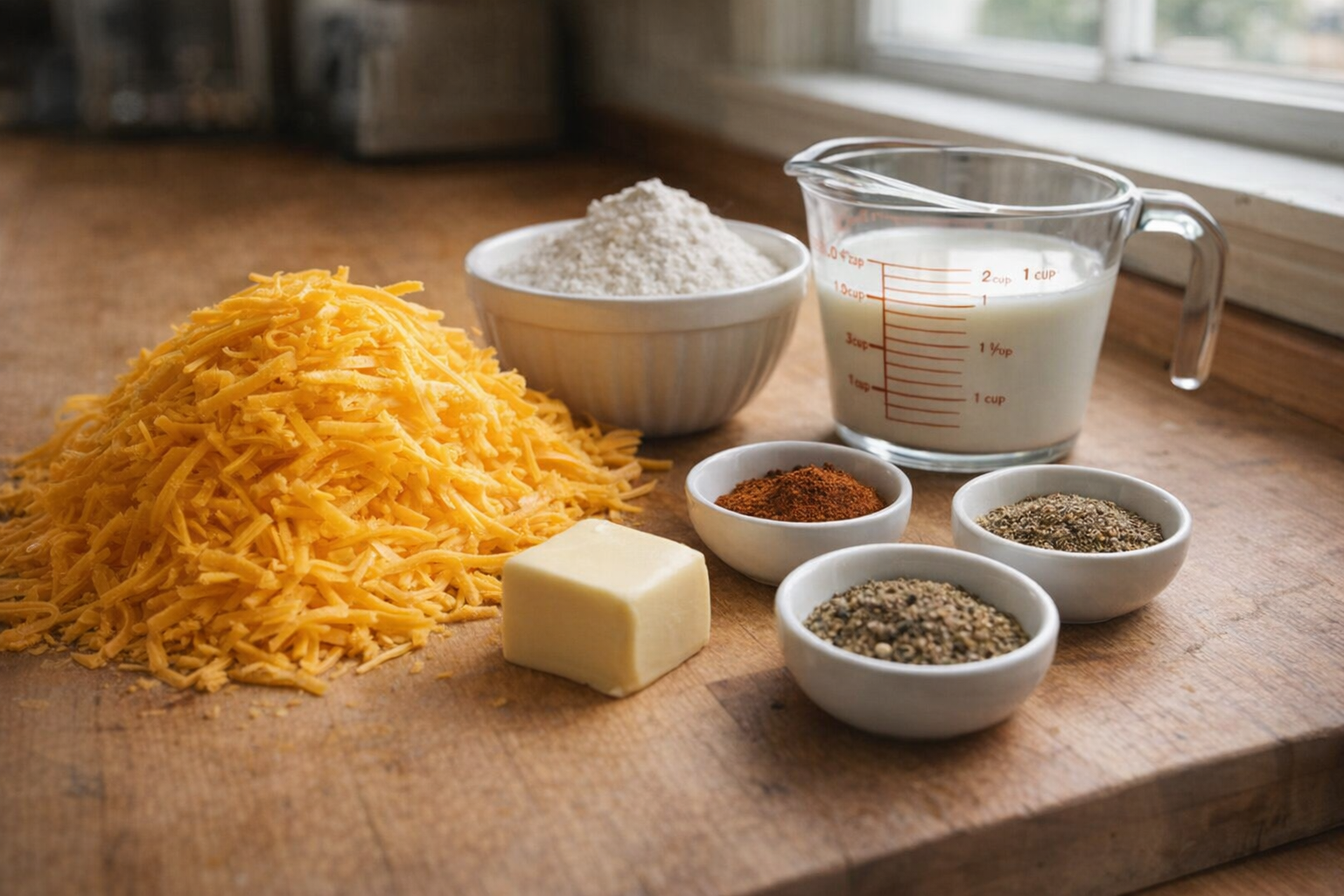
Ingredients (for a basic cheese sauce):
- 2 tablespoons (30g) unsalted butter
- 2 tablespoons (15g) all-purpose flour
- 2 cups (475ml) milk (whole or 2%)
- 8 ounces (225g) shredded cheese (cheddar, Monterey Jack, or a blend)
- Salt and freshly ground black pepper to taste
- Melt the Butter: In a heavy-bottomed saucepan over medium heat, melt the butter. The gentle sizzle of the butter melting is your indicator of correct heat.
- Make the Roux: Add the flour to the melted butter and whisk constantly for 1-2 minutes, creating a smooth paste (the roux). The mixture should smell slightly nutty and sweet.
- Whisk in the Milk: Gradually whisk in the milk, a little at a time, ensuring each addition is fully incorporated before adding more. This prevents lumps from forming. Continue whisking until the sauce is smooth and begins to thicken.
- Simmer: Reduce the heat to low and simmer the sauce for 5-7 minutes, stirring occasionally, until it thickens to your desired consistency. The sauce should coat the back of a spoon.
- Add the Cheese: Remove the saucepan from the heat and add the shredded cheese. Stir until the cheese is completely melted and the sauce is smooth and creamy.
- Season: Season with salt and pepper to taste. Be mindful of the saltiness of the cheese, and adjust accordingly.
Method 2: Roux-Free Cheese Sauce
This method is faster and simpler, but it can be more prone to separation if not done carefully. It relies on the starch in the cheese to thicken the sauce.
Ingredients (for a basic cheese sauce):
- 2 cups (475ml) milk (whole or 2%)
- 8 ounces (225g) shredded cheese (cheddar, Monterey Jack, or a blend)
- 1 tablespoon (7g) cornstarch (optional, for extra thickening)
- Salt and freshly ground black pepper to taste
- Combine Milk and Cornstarch (Optional): In a saucepan, whisk together the milk and cornstarch (if using) until the cornstarch is fully dissolved.
- Heat the Milk: Heat the milk over medium-low heat, stirring occasionally, until it is steaming but not boiling.
- Add the Cheese: Reduce the heat to low and gradually add the shredded cheese, stirring constantly until the cheese is completely melted and the sauce is smooth and creamy.
- Season: Season with salt and pepper to taste. Be mindful of the saltiness of the cheese, and adjust accordingly.
Cooking Time & Doneness Guide
- Roux-Based Method: Simmering time is typically 5-7 minutes, or until the sauce coats the back of a spoon.
- Roux-Free Method: Melting the cheese should take 5-10 minutes, depending on the type of cheese and heat level.
Visual Cues
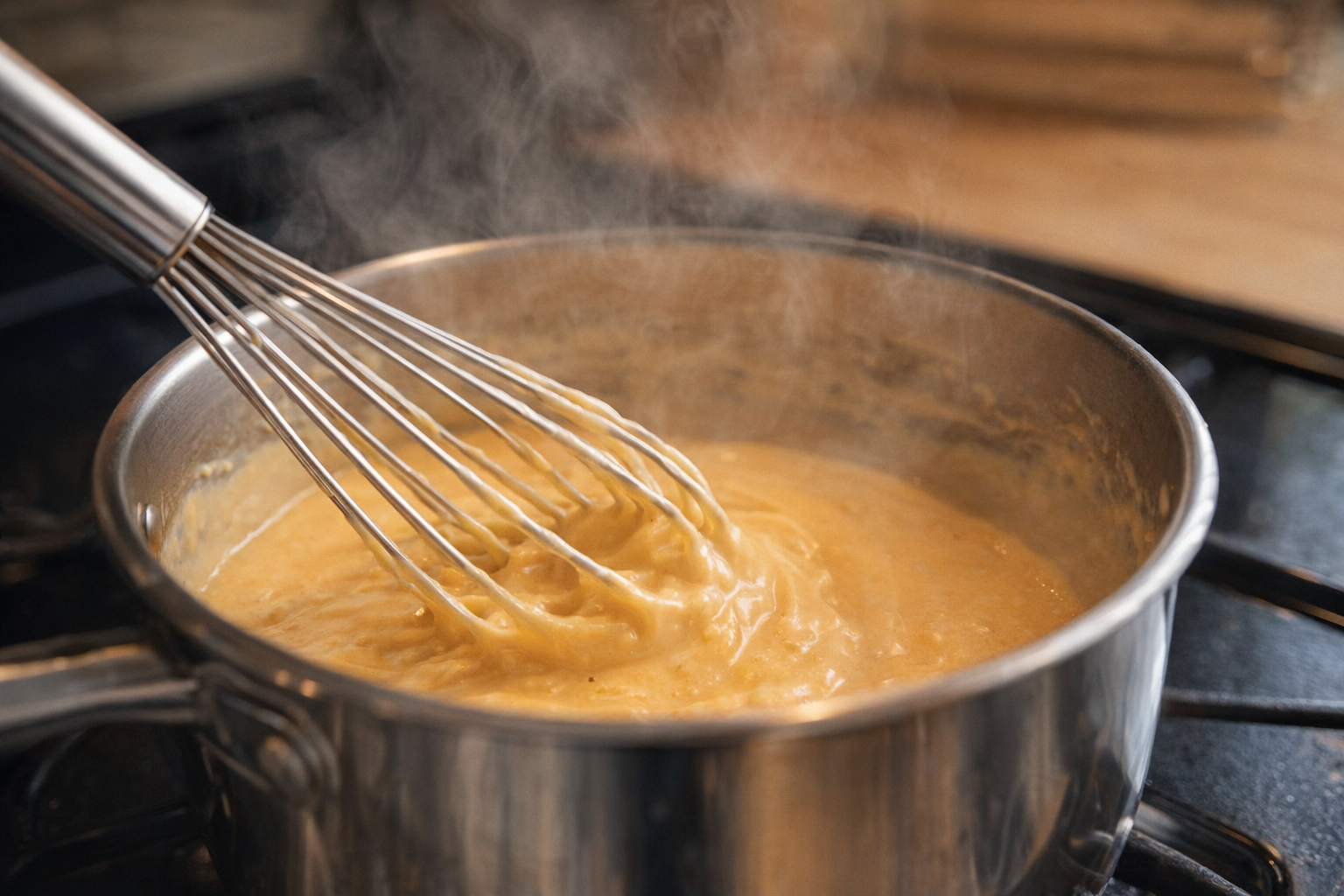
The sauce should be smooth, creamy, and thick enough to coat the back of a spoon. It should not be grainy or separated.
Tips for Perfection
- Use Freshly Grated Cheese: Pre-shredded cheese often contains cellulose, which can prevent it from melting smoothly.
- Don't Overheat: Overheating can cause the cheese to separate and become greasy.
- Add Cheese Gradually: Adding the cheese a little at a time helps it melt evenly and prevents clumping.
- Stir Constantly: Constant stirring ensures a smooth, creamy sauce.
Storage & Reheating
- Storage: Store leftover cheese sauce in an airtight container in the refrigerator for up to 3 days.
- Reheating: Reheat gently in a saucepan over low heat, stirring frequently. You may need to add a splash of milk to restore the creamy consistency. Avoid microwaving, as it can cause the sauce to separate.
Serving Suggestions
- Macaroni and Cheese: A classic pairing!
- Nachos: Drizzle over tortilla chips with your favorite toppings.
- Vegetables: Serve over steamed broccoli, cauliflower, or asparagus.
- Baked Potatoes: Top baked potatoes with cheese sauce, bacon bits, and sour cream.
💡 Pro Tips
- Use freshly grated cheese for the smoothest sauce. Pre-shredded cheese often contains cellulose which can prevent proper melting.
- Add the cheese off the heat to prevent it from overheating and becoming grainy.
- If your sauce is too thick, add a little more milk or cream, a tablespoon at a time, until you reach the desired consistency.
- For extra flavor, try adding a pinch of nutmeg, cayenne pepper, or dry mustard to the sauce.
- Taste and adjust the seasoning before serving. The saltiness of the cheese will affect the overall flavor.
Frequently Asked Questions
Grainy cheese sauce is usually caused by overheating the cheese or using pre-shredded cheese. Always shred your own cheese, and melt it slowly over low heat. Avoid letting the sauce boil. If it becomes grainy, try adding a tablespoon of lemon juice or a splash of white wine vinegar to help smooth it out.
Yes, you can. Whole milk will result in a richer sauce, but 2% or even skim milk can be used. For an even richer sauce, substitute some of the milk with heavy cream or half-and-half. Plant-based milks can also be used, but be aware that they may affect the flavor and thickening properties.
Yes, you can make the cheese sauce ahead of time, but it will thicken as it cools. Reheat it gently over low heat, adding a splash of milk or cream to thin it to your desired consistency. Stir frequently to prevent it from sticking or separating.
Store leftover cheese sauce in an airtight container in the refrigerator for up to 3 days. To prevent a skin from forming on top, press a piece of plastic wrap directly onto the surface of the sauce before sealing the container.